Jesus Invites Your Backchat
Jesus ignored her, then compared her to a dog. His disciples tried to chase her off, but she didn't flinch. This is the story of a woman who refused to take "no" from God, and what her stubbornness and success means for us.
Celsus Couldn’t Stand the Early Christians and Origen Couldn’t Let It Go
Celsus was Rome's sharpest critic of Christianity — witty, erudite, and deeply annoyed. Origen was the scholar-mystic who read his takedown and responded with a doctoral dissertation's worth of controlled fury. Their clash is part theology, part philosophy, and surprisingly hilarious.
What Early Rivals Reveal About Christianity’s Fragmented Beginnings
Before Christianity, there was a tangle of competing movements, rival baptisms, and charismatic teachers. A brief story in Acts about an Alexandrian preacher named Apollos cracks that tidy history open — and asks what if Jesus wasn't the center yet?
Who Are You When Your Body Dies?
When my best friend ended up on life support, I finally understood something the Gospel of Mary had been trying to tell me all along — about the soul, and what makes any of us irreplaceable.
Paul's Teaching on Sex Liberated Thekla. For the Rest of Us, It's More Complicated.
My women's group read The Acts of Paul and Thekla aloud. My margin notes said "Sex? No sex? WTF?????" This essay is about what happens when a woman with a complicated past finally reckons with Paul.
The Rapture Was Invented in the 1830s. Now It's Reached the Pentagon
The prophetic system now being invoked by some commanders took shape in the nineteenth century. The earliest Christian theologians would not have recognized this framework. Their debates about the end of history looked very different.
Creole Religion: How Ancient Gods Shaped Christianity and Judaism
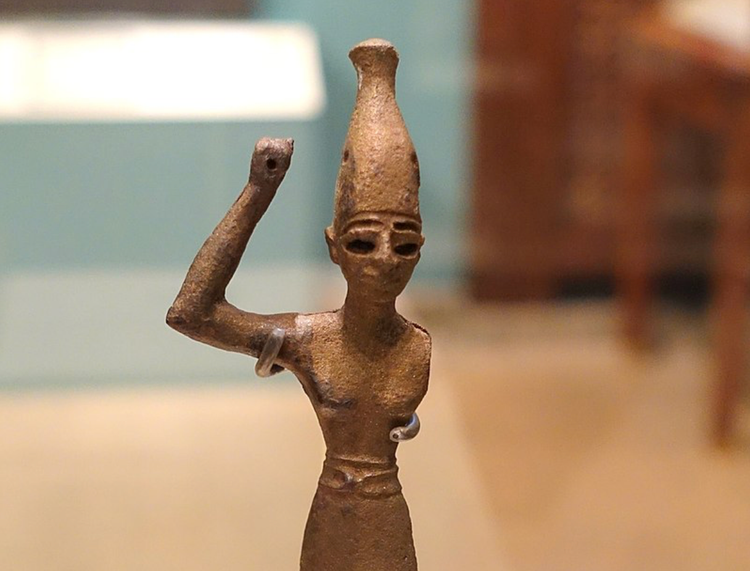
Ancient gods didn’t stay in their lanes. From Baal and Asherah to Qetesh and Hathor, this essay explores how blended religions shaped Judaism and Christianity.
Why Jesus Said “There Is No Such Thing as Sin”
When Jesus says “There is no such thing as sin” in the Gospel of Mary, he isn’t denying harm—he’s naming it differently. This essay explores sin as misalignment, original goodness, and the forgotten self within.