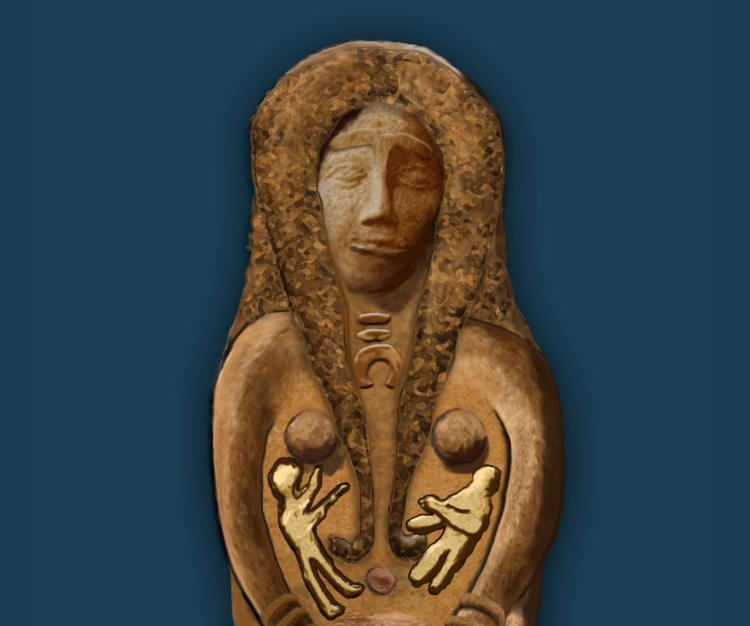
The Men Who Silenced Asherah Still Silence Women Today
When they rewrote the stories, making her into a foreign invader, they didn’t just erase a goddess. They erased what it meant to have a woman at the center of holiness and of power.
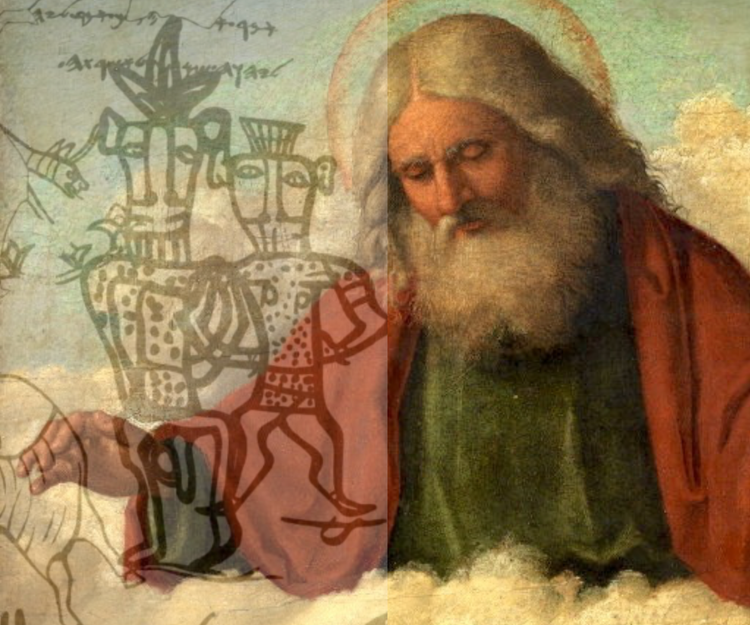
When Yahweh Had a Bull’s Head
Ancient biblical laws emerged from a symbolic world very different from ours, yet we imagine Abraham, Moses, and Yahweh through Renaissance images that distort their original meaning.
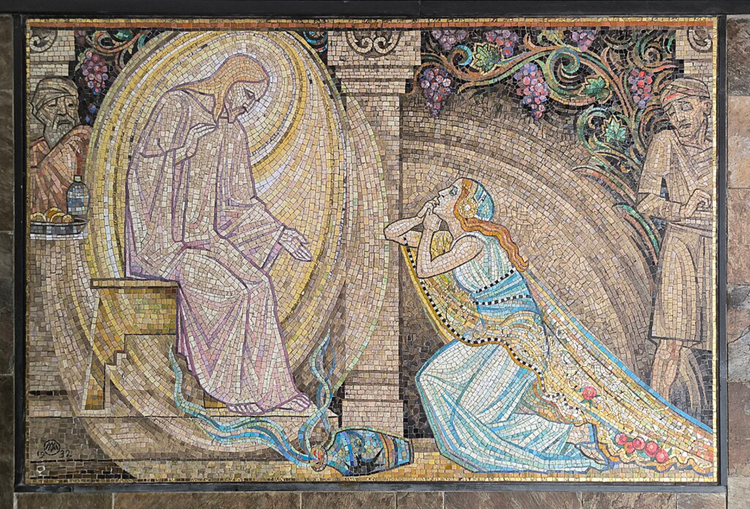
Why Jesus Said “There Is No Such Thing as Sin”
When Jesus says “There is no such thing as sin” in the Gospel of Mary, he isn’t denying harm—he’s naming it differently. This essay explores sin as misalignment, original goodness, and the forgotten self within.
Heaven Is Now: The Gospel of Mary on the Afterlife
It wasn’t until I read Mary that I truly understood Matthew. In both, Jesus wasn't making a statement. He was giving directions — pointing us inward, to the place where God is speaking.
Jesus Didn't Die for Your Sin (or Mine)
A reflection on why fear-based atonement never made sense to me, and how allegory, love, and trust offer a deeper way to understand Jesus’s death.
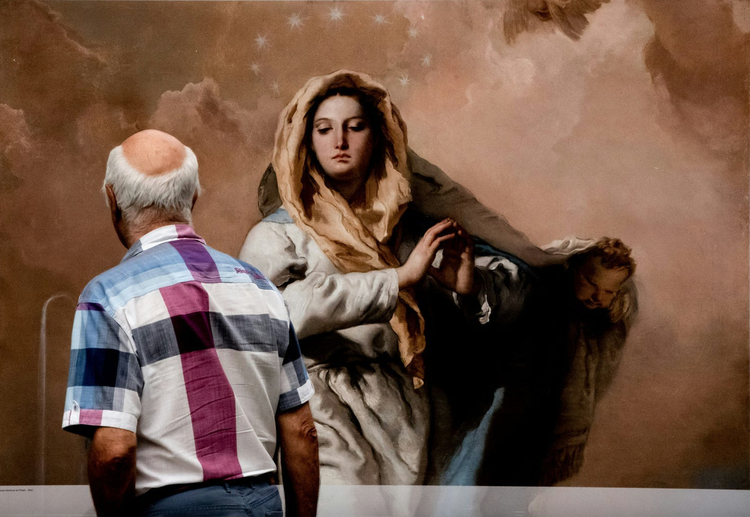
Mary and the Ancient Goddesses of Death and Rebirth
Across cultures, divine mothers govern life, death, and rebirth. Placing Mary alongside figures like Isis, Demeter, and Kali reveals her as part of an ancient spiritual pattern—the mother who transforms grief into resurrection.
How Yahweh Became God: From Canaanite Deity to World Religion
Yahweh did not begin as the one God of heaven and earth. He began as a local deity among many—and survived war, exile, and empire to become the God of three world religions. This essay explores what that transformation reveals about faith, power, and our evolving understanding of the divine.
Ancient Christian Wisdom for When Life Feels Unbearable
Early Christian writers knew the inner terrain of sadness and endurance. They offer no slogans or quick fixes—only hard-won perspective shaped by long familiarity with suffering, speaking to the heart without trying to conquer it.
How Much Should Religious Workers Earn?
From televangelists with private jets to Paul the tentmaker, spiritual history offers wildly different models of money and ministry.
This essay asks what spiritual labor is worth—and who gets to decide.