Why Jesus Said “There Is No Such Thing as Sin”
When Jesus says “There is no such thing as sin” in the Gospel of Mary, he isn’t denying harm—he’s naming it differently. This essay explores sin as misalignment, original goodness, and the forgotten self within.
Jesus Didn't Die for Your Sin (or Mine)
A reflection on why fear-based atonement never made sense to me, and how allegory, love, and trust offer a deeper way to understand Jesus’s death.
Mary and the Ancient Goddesses of Death and Rebirth
Across cultures, divine mothers govern life, death, and rebirth. Placing Mary alongside figures like Isis, Demeter, and Kali reveals her as part of an ancient spiritual pattern—the mother who transforms grief into resurrection.
How Yahweh Became God: From Canaanite Deity to World Religion
Yahweh did not begin as the one God of heaven and earth. He began as a local deity among many—and survived war, exile, and empire to become the God of three world religions. This essay explores what that transformation reveals about faith, power, and our evolving understanding of the divine.
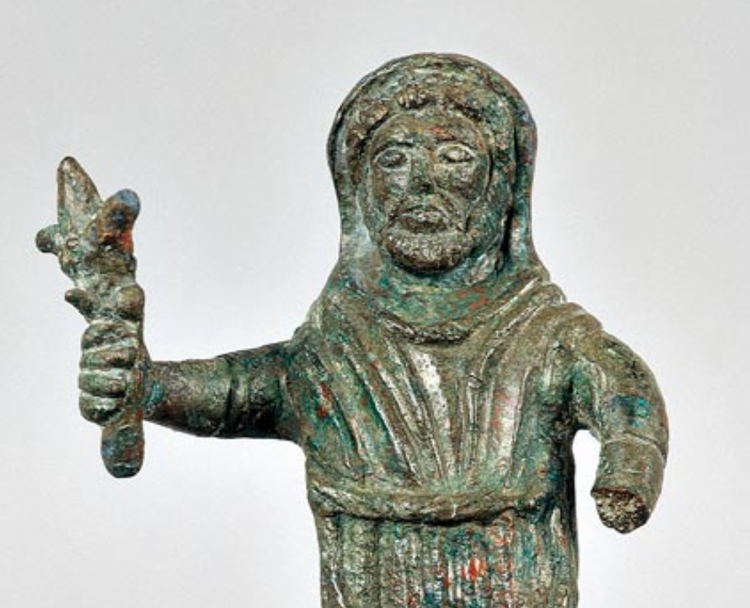
How Reviving the Ancient God Dis Pater Can Transform Your Spiritual Practice
We could all use some lessons on death, rebirth, and renewal
Why I’m Rethinking My Vote: Church, State, and the Line Politicians Shouldn’t Cross
As a veteran, protecting the boundary between church and state matters more to me than nostalgia
How Much Should Religious Workers Earn?
From televangelists with private jets to Paul the tentmaker, spiritual history offers wildly different models of money and ministry.
This essay asks what spiritual labor is worth—and who gets to decide.
Dear Virgin Mary, Are You Okay? A Protestant's Journey with the Hail Mary
Do your parents know where you are? Is there someone I should call?